Published by All Dry Services of Louisville
A hard winter storm brings the problems homeowners rarely plan for until it is too late. Prolonged cold, especially paired with heavy winter precipitation and strong wind, freezes pipes, causes water damage, and leads to costly repairs, and it is hardest on vacant and older homes. Power outages make it worse: that is often the moment pipes freeze and burst while the house loses heat and indoor temperatures fall fast. The time to prepare is now, before the storm arrives. Work through this checklist, check on your neighbors, and share it with friends or family who may not be home or may need the reminder.
Inside your home
Drip your faucets. Let sinks on exterior walls and in basements drip slowly. Moving water is far less likely to freeze and burst a pipe.
Open cabinet doors. Open the cabinets under sinks so warm air can circulate around the plumbing, especially on exterior walls.
Seal drafts. Tape drafty windows if needed, and lay towels along the bottoms of doors and windows where cold air sneaks in.
Reverse your ceiling fans. Set ceiling fans to spin clockwise at a low speed. That pushes warm air down and keeps rooms more evenly heated.
Prepare for a power outage
If the power goes out during a winter storm, indoor temperatures can fall quickly. A few minutes of preparation keeps a cold night from becoming an emergency.
Charge everything. Top off phones and battery packs before the weather arrives.
Flashlights, not candles. Have flashlights ready and avoid open flames if possible.
Use space heaters carefully. Keep them away from curtains and furniture, and never leave one running unattended.
Find your main water shutoff. Know exactly where it is before you need it. If a pipe bursts, the minutes you spend searching are minutes of water pouring into your home.
Outside your home
Disconnect garden hoses. Remove them, drain them, and store them indoors.
Protect outdoor plumbing. Shut off and drain sprinkler systems if possible, and cover outdoor faucets with insulated covers.
Check vacant and rental properties. A quick check now can prevent major damage later. If a property could lose power or heat, take extra precautions and consider having someone look in on it during the storm.
If an emergency happens anyway
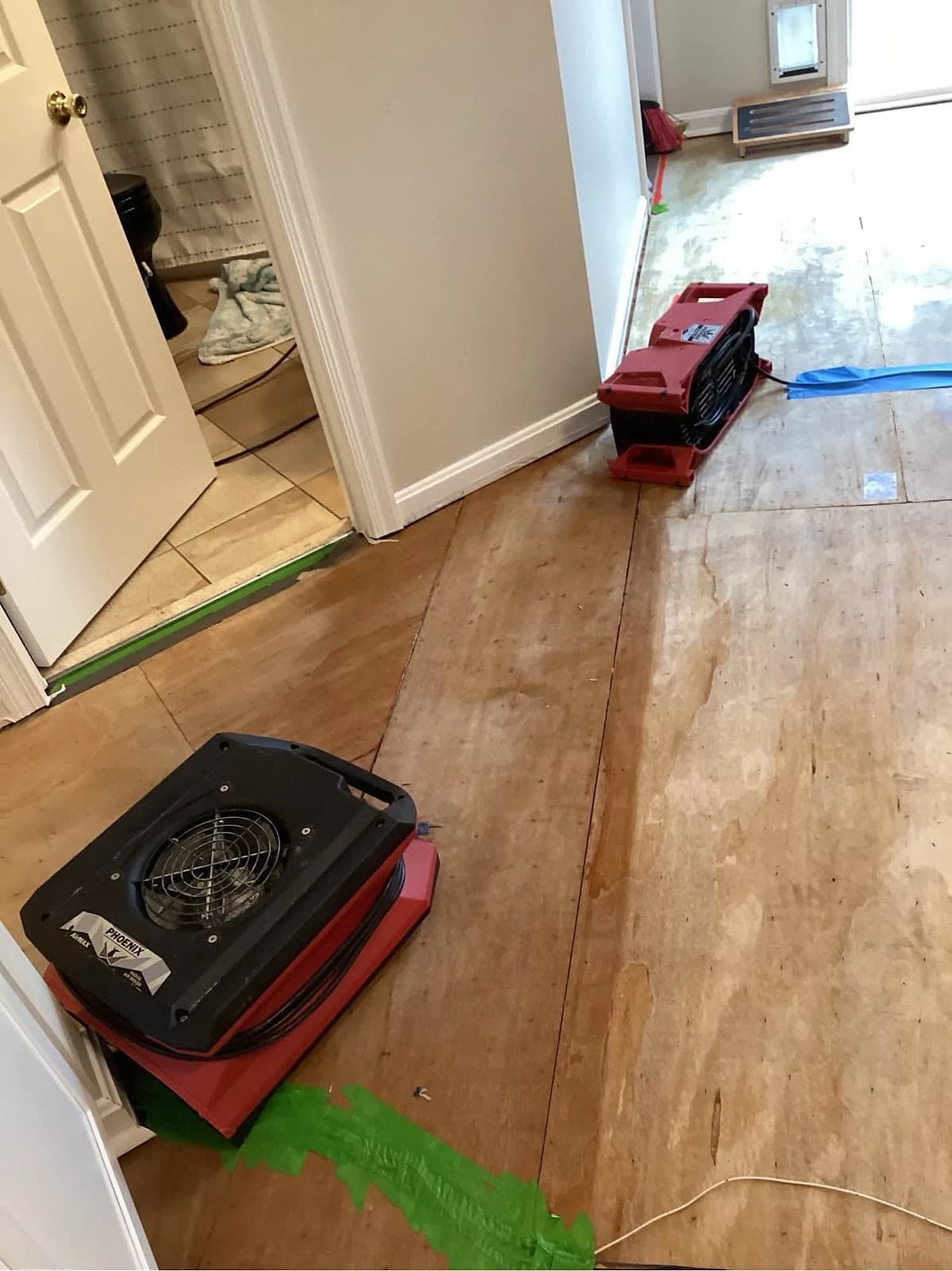
If you experience frozen pipes, a water leak, or flooding during the storm, do not wait for the weather to clear. All Dry Services of Louisville answers 24/7 for emergency water removal and restoration, and a fast response is often the difference between minor damage and major repairs. Call (502) 829-7913 any time for immediate help.
Why pipes burst, and why it happens after the thaw
The common assumption is that ice splits the pipe. Usually it does not. Ice forms a plug, water keeps being pushed against it from the supply side, and pressure builds between the blockage and the closed tap until the weakest point in the run gives way. That failure point is often nowhere near the ice itself.
It also explains why so many bursts are discovered during the thaw rather than during the freeze. While everything is frozen the split is plugged by ice. As it warms, the plug melts and the pipe starts delivering water into the building, frequently while no one is home to notice.
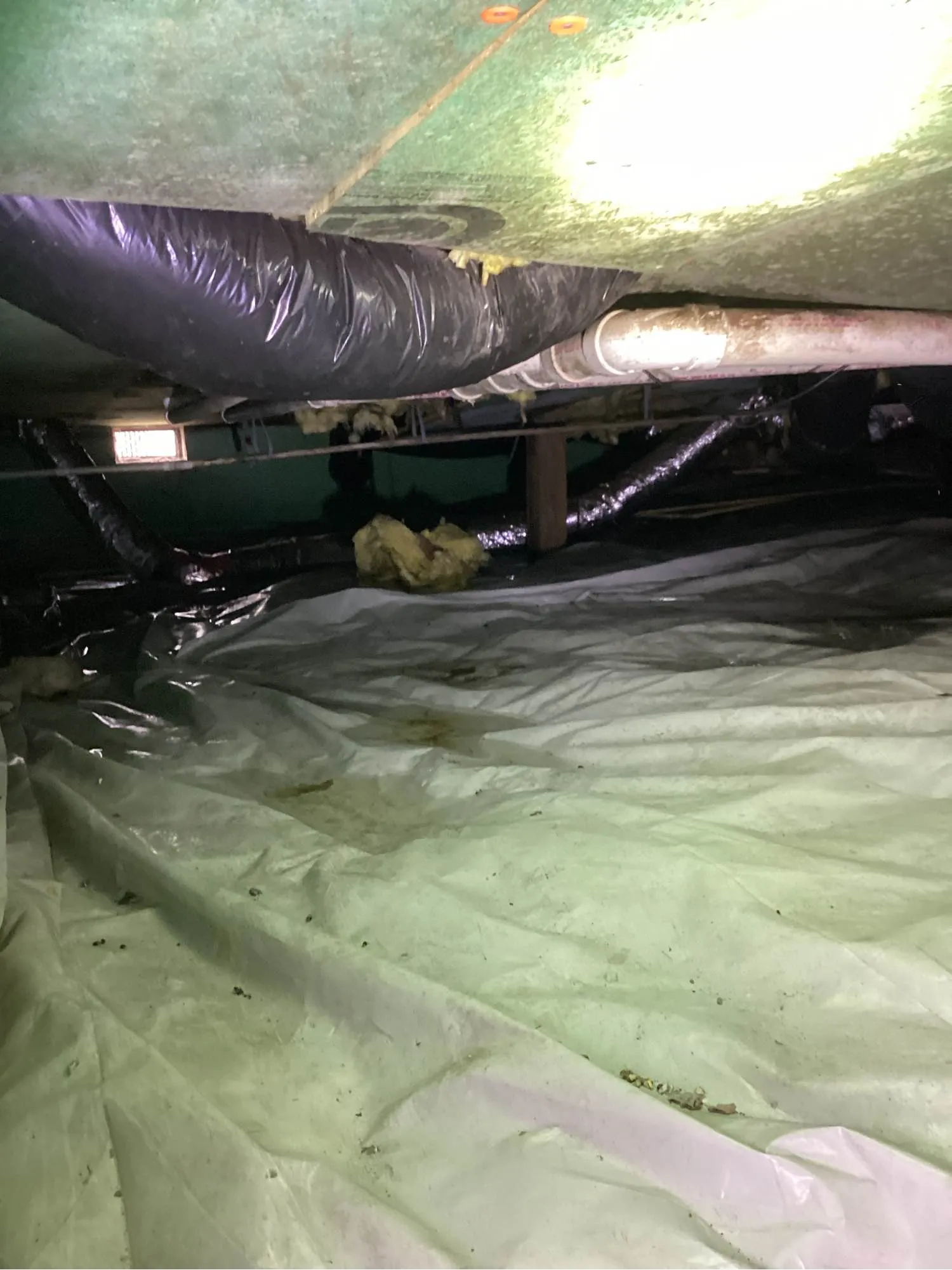
The pipes at risk are the ones outside heated space: exterior walls, unheated basements and crawlspaces, garages, and anything running through an unconditioned loft. In older Louisville housing, supply lines were often routed through exterior walls that have far less insulation than modern code requires.
What to do if a pipe has already frozen
Leave the tap open. If you have shut off the supply, open the tap the frozen section feeds. It gives melting water somewhere to go instead of building pressure behind the plug.
Warm it gently. A hair dryer, heat lamp or towels soaked in hot water, working from the tap end back toward the blockage so meltwater can escape.
Never use an open flame. A blowtorch or propane heater on a pipe is a fire risk in a wall cavity and can crack the pipe outright through thermal shock.
Know where the stopcock is. Before you need it, not during. Everyone in the household should know where the main shut-off is and that it turns.
Watch for the thaw. If a pipe froze and you never found a leak, keep checking that area for a couple of days. Splits reveal themselves when the ice clears.
If it bursts while you are away
A burst supply line runs continuously until somebody stops it, which for a property left over a holiday can mean days. That is the difference between drying a room and replacing a floor, ceilings below, and everything stored underneath.
Two things reduce that risk. Leave the heating on at a low setting rather than off, because an unheated house is far more likely to freeze than an expensively warm one. And if the property will be empty for more than a few days in a cold snap, shut the water off at the main and drain the system down.
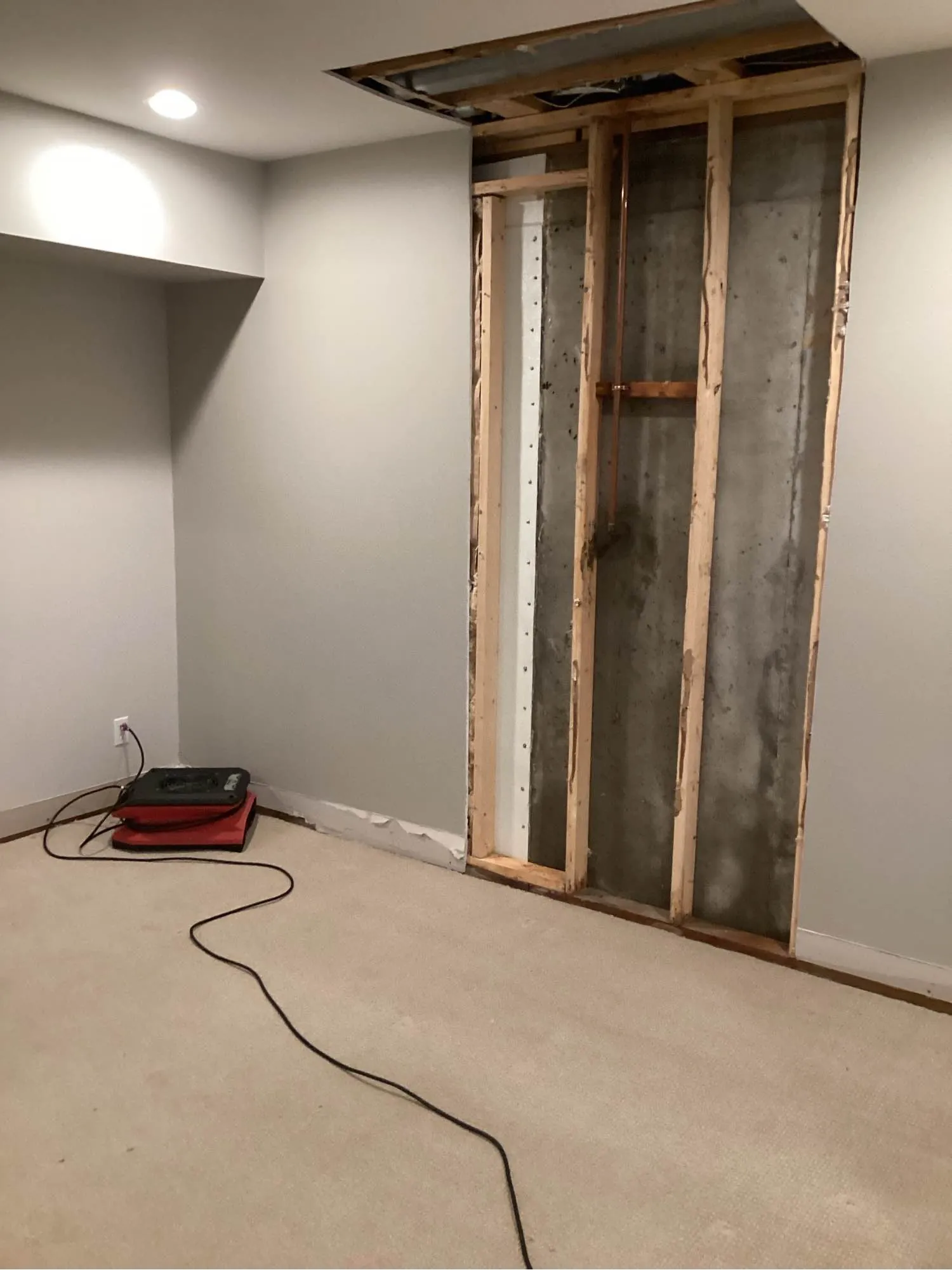
If you come home to it, cut the water and the power to affected areas before walking in, photograph everything before moving anything, and call. Fast extraction and drying is what keeps a burst pipe from becoming a mold problem two weeks later.