IICRC certified mold remediation
Mold removal and remediation in Louisville
All Dry Services of Louisville is IICRC certified in mold remediation and works to the S520 standard. Containment, commercial air filtration, safe removal and sanitization, with the moisture source identified and documented, to restore the safety of your home or business.
Why mold needs prompt attention
A structural problem and a health problem at the same time
Mold growth presents significant risks to the structural stability of your property. Colonies thrive on organic materials like wood, drywall, and insulation, causing them to deteriorate over time. Left untreated, mold damage leads to costly restoration and repair work that early action would have avoided.
The health side matters just as much. Microscopic mold spores can trigger allergic reactions, respiratory problems, and other health issues when inhaled, and those with allergies, asthma, or weakened immune systems are particularly vulnerable. We remediate the growth, identify its moisture source, and protect both the building and the people in it.
How we handle mold remediation
Assessed, contained, removed and sanitized
Remediation done wrong spreads spores to clean rooms. All Dry Services of Louisville keeps the problem contained from the first step, and documents every one of them.
Initial assessment
Our technicians inspect the property with moisture meters and thermal imaging, establish the extent of the growth, and identify the moisture source promoting it.
Containment and air filtration
Protective sheeting barriers prevent spread during removal, while commercial air filtration equipment captures airborne spores.
Mold removal
Industry-standard equipment, cleaning agents, and techniques safely and effectively eliminate the mold from your home or business.
Moisture source identified
We identify the leak, condensation or ventilation problem feeding the growth and document it, so the right trade can correct it before finishes are replaced.
Cleaning and sanitization
High-quality antimicrobial solutions eliminate remaining spores and prevent new growth in the treated areas.
Verification and documentation
The area is inspected and documented as remediated, and you receive the record for your own file or your insurance carrier.
Full project management services, including repairs (rebuild), are available.
Black mold and testing
Black mold, and what testing can and cannot tell you
When people search for black mold removal they usually mean Stachybotrys chartarum, the species that gets the alarming coverage. The problem with that framing is that plenty of household molds are dark, and color tells you nothing reliable about species. You cannot identify what is growing on a wall by looking at it, and neither can anyone else.
Testing has limits, and they are worth understanding. The EPA states that no federal limits have been set for mold or mold spores, so a sample cannot be measured against a legal threshold, and where growth is already visible, sampling is usually unnecessary.
The remedy does not change with the species. Any significant mold growth gets contained and removed, and the moisture feeding it gets identified, because mold that is cleaned off a surface without addressing the water returns to the same spot. That approach follows IICRC S520, the mold remediation standard certified firms work to.
In some situations we will recommend an assessment or testing before work begins, and we will tell you when that is the case. Testing earns its place when mold is suspected but not visible, when occupants have health concerns, and when you want the remediation verified afterwards. None of those is a precondition for picking up the phone and asking.
“We found a small amount of black mold in our laundry room. After researching firms, we chose All Dry. Cam came out the following day and discovered a cabinet was soaked inside.”
Christina Labash, Google review
4.9 stars across 31 Google reviews
The All Dry difference
Mold remediation to the IICRC S520 standard
Moisture source identified
Finding what is feeding the growth is a step in our process, and it is documented for you.
Containment
Protective sheeting barriers and commercial air filtration protect the rest of your home.
IICRC certified technicians
Trained to the industry standard for mold remediation.
Free inspections*
The assessment and remediation plan cost nothing, during business hours.
EPA Lead-Safe certified firm
Required when remediation disturbs painted surfaces in older Louisville homes.
Locally owned and operated
A Louisville company with a reputation to protect here.
Where we find it
Basements, wall cavities, and the places Louisville homes hide moisture
Mold removal in a basement is a common call we take here in the Ohio Valley, and the reason can be structural. Below-grade walls sit against damp soil, older foundations were not built with modern vapour control, and summer humidity here regularly pushes indoor air past the point where cool masonry starts to condense. Finished basements make it worse: framing and drywall against a cool wall create exactly the still, damp cavity mold wants.
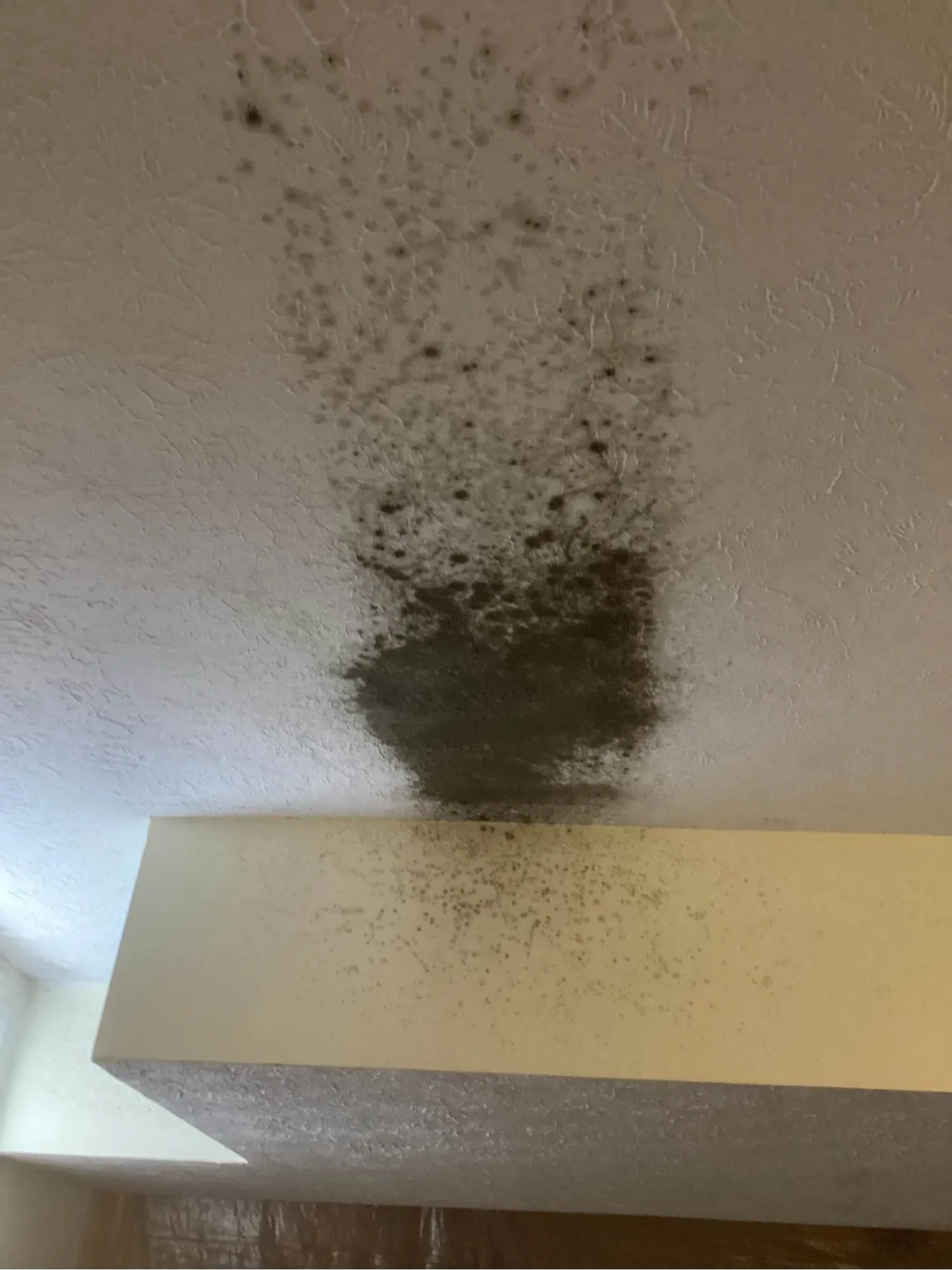
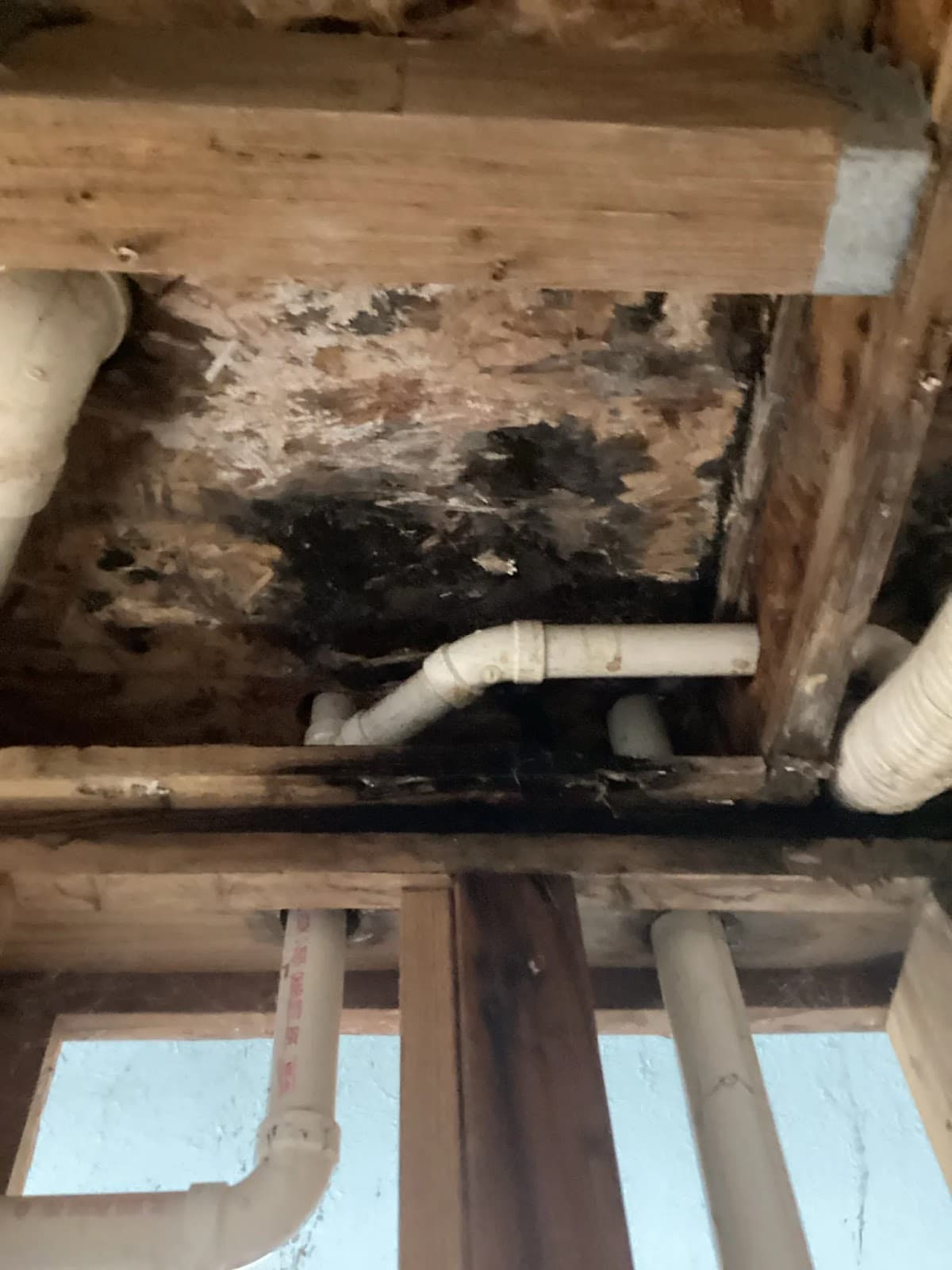
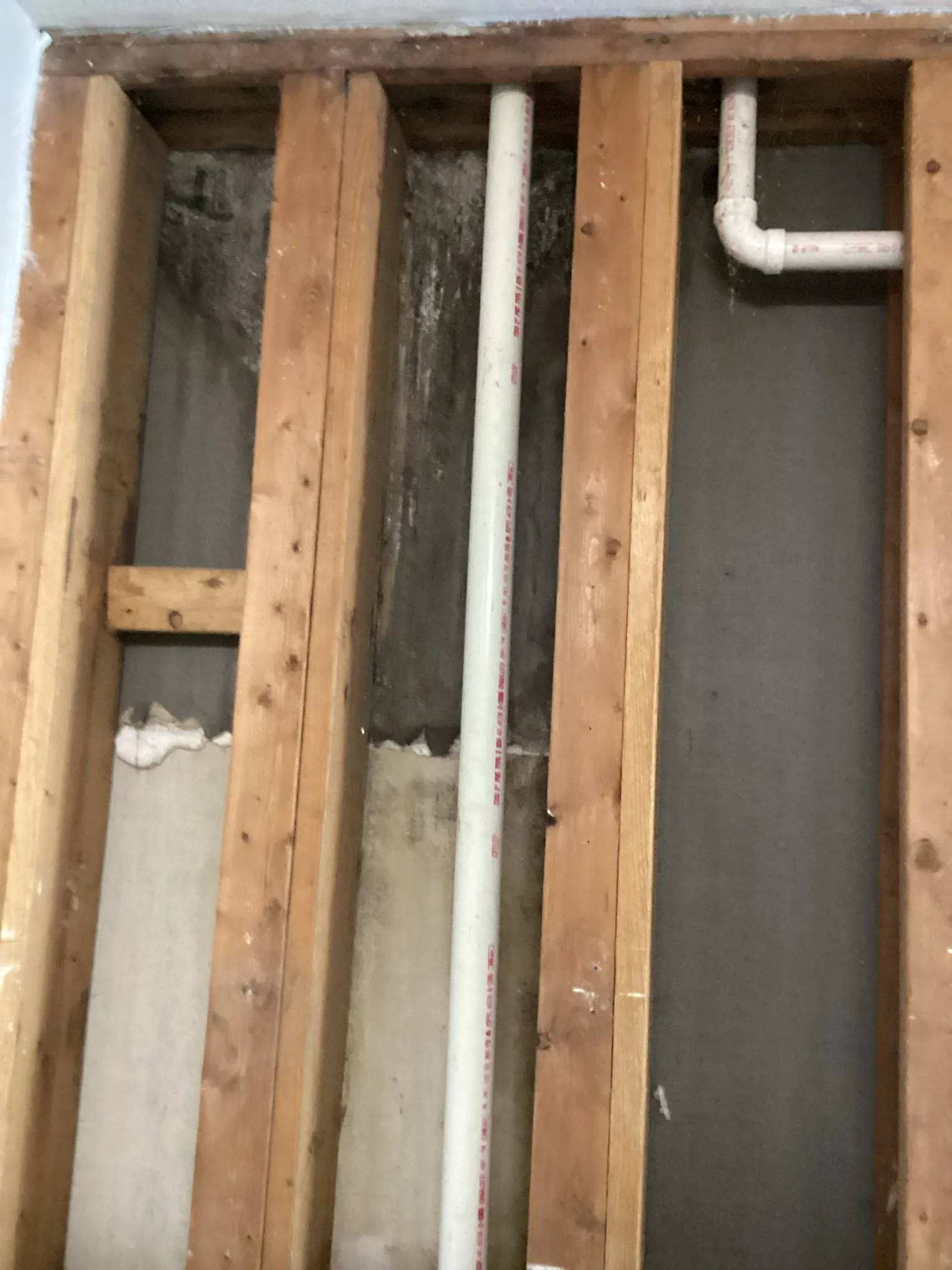
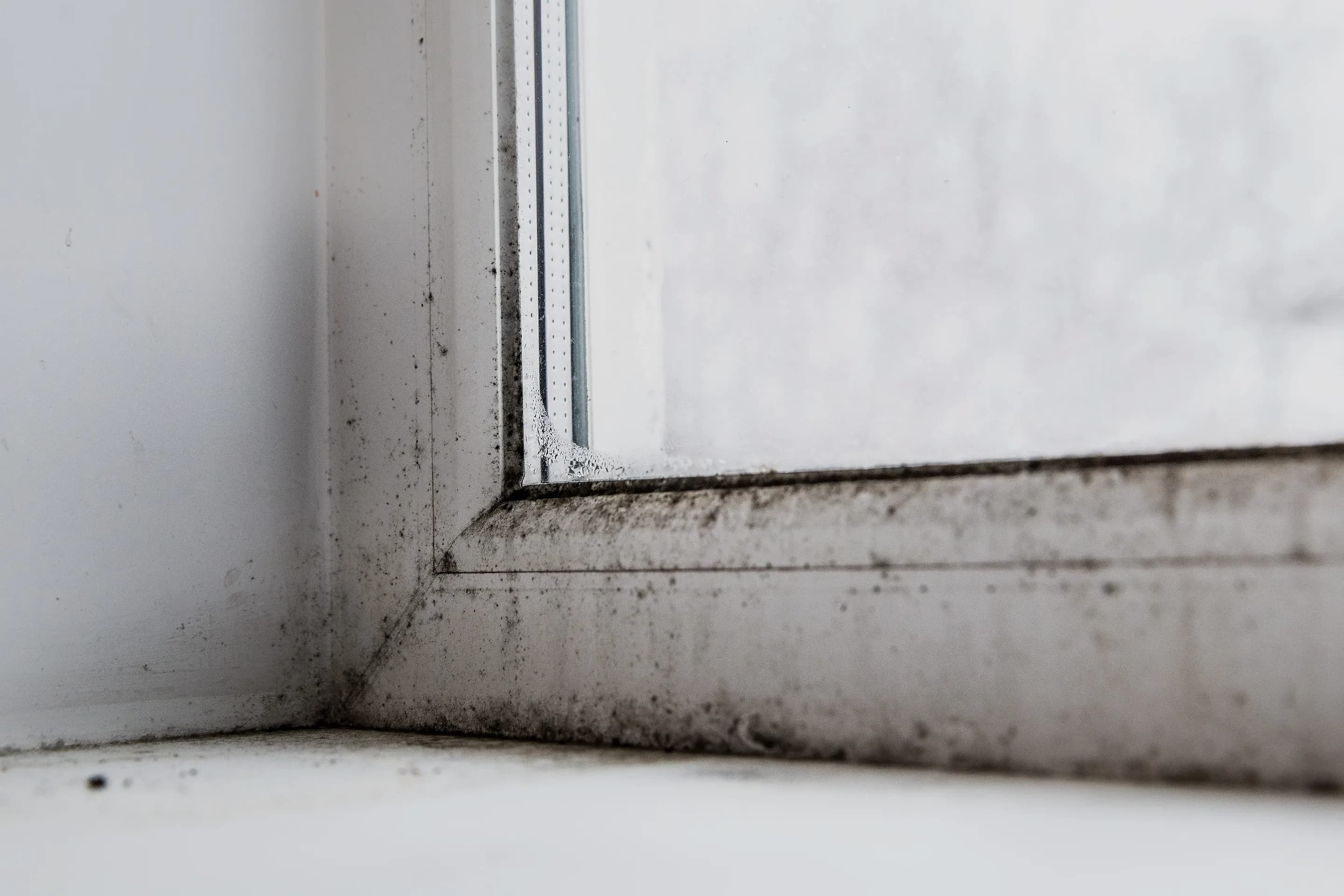
Mold removal on walls usually starts as something small and visible, a dark patch near a baseboard or behind furniture on an exterior wall. What is visible is rarely the whole colony. Drywall is porous, so growth that shows on the painted face is often better established in the cavity behind it, which is why we investigate the extent before quoting rather than pricing what shows in a photograph.
The other places worth checking in a Louisville home are crawlspaces, where ground moisture and poor ventilation combine, and window frames and sills, where condensation collects every winter. Bathrooms and laundry rooms round out the list, though those tend to be caught early because people are in them daily.
Whatever the location, mold remediation in Louisville KY follows the same sequence: identify the moisture source, contain the area so spores do not travel while the work happens, remove what cannot be salvaged, sanitize, and document the result.
FAQ
Questions Louisville homeowners ask us
Is mold dangerous to my family?
It can be. Microscopic mold spores can trigger allergic reactions, respiratory problems, and other health issues when inhaled. People with allergies, asthma, or weakened immune systems are particularly vulnerable, which is why containment and air filtration are built into our removal process.
Will the mold come back after remediation?
Mold needs moisture. Remediation removes the growth and sanitizes the area, and we identify the source feeding it, from a leak to inadequate ventilation. That source has to be corrected, whether by a plumber, a roofer or a ventilation change, or the conditions that allowed growth will return. No remediation company can guarantee against regrowth while a moisture problem remains, which is why identifying it is a dedicated step in our process.
What if mold damaged my walls or floors?
We handle that too. If mold has compromised structural components or finishes, then after we have remediated the area we can work with our partners to repair or replace the affected materials, such as drywall or flooring. Full project management services, including repairs, are available.
Can I just clean it myself with bleach?
On a hard, non-porous surface like tile or sealed metal, cleaning small amounts yourself is reasonable. On anything porous it does not work the way people expect. Bleach is mostly water, and on drywall, wood, or carpet backing the water soaks in while the disinfectant stays near the surface, so you kill what you can see and feed what you cannot. The EPA does not recommend routine bleach use for mold cleanup for that reason. The other issue is that scrubbing disturbs the colony and sends spores through the rest of the house, which is what containment exists to prevent.
How long does mold remediation take?
A contained bathroom or single wall cavity is often a one to two day job. A finished basement with growth behind the framing runs longer, usually three to five days, because the affected materials have to come out, the cavity has to dry to a verified standard, and only then can anything be rebuilt. We scope it properly at the free inspection* rather than quoting a duration down the phone, since the extent behind the surface is what actually sets the timeline.
Related pages
Mold help near you
Emergency response, 24 hours a day
Emergency restoration response, 24 hours a day
One call reaches All Dry Services of Louisville, day or night, and a local person answers rather than a message service. If it is an emergency we call in an on-call technician there and then, so you are not waiting until morning to find out whether anyone is coming. If it can wait, free inspections* are scheduled during business hours. Either way your insurance is billed directly.
Answering now
(502) 829-7913Answered by local staff, not AI or an answering service.
- We aim to be there within the hour
- Free inspections and estimates*
- Billed direct to your insurer
*Free inspections and estimates are offered during business hours. Some conditions apply; call for further information. Inspections and estimates must be authorized by the property owner or management company.
- We aim to be there within the hour
- IICRC certified technicians
- BBB A+ rated, accredited since 2023
- EPA Lead-Safe certified firm
- Locally owned and operated
- 24/7 live calls
- Free inspections and estimates
- We bill your insurance directly
- Veteran discounts
- Mitigation and remediation by our own technicians
 NAT-F274909-1
 A+ rated