Instrument-verified structural drying
Structural drying in Louisville
Surfaces can feel dry while walls, subfloors and framing stay saturated underneath. All Dry Services of Louisville's structural drying process removes that hidden moisture with commercial drying equipment and verifies it with instruments, protecting your property's stability and limiting the risk of microbial growth.
Why structural drying matters
Water damage you cannot see
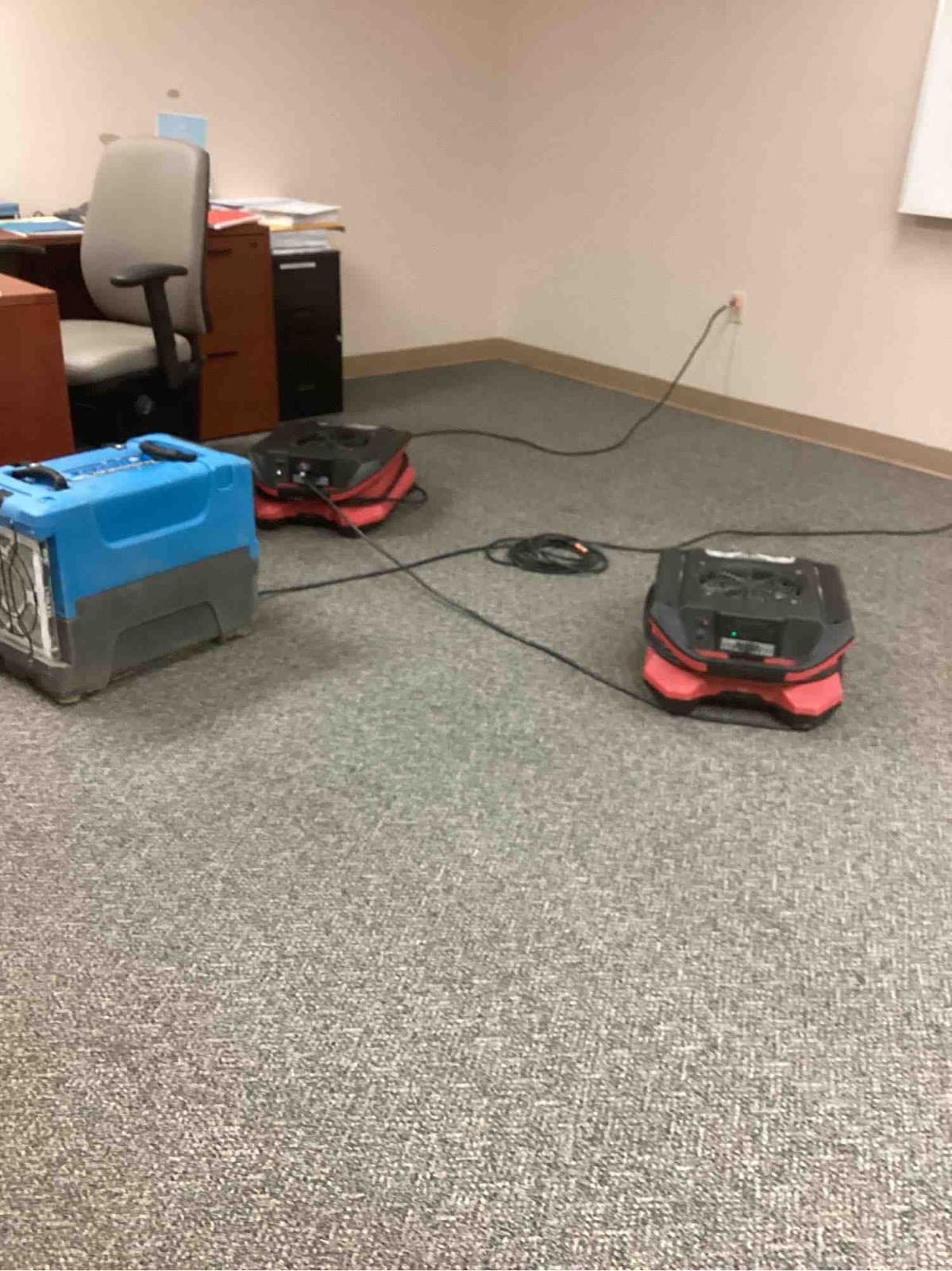
When a water emergency occurs, water penetrates walls, floors and other surfaces, jeopardizing their stability and strength. Swift structural drying is essential to prevent further damage and reduce the risk of microbial growth spreading through the structure.
We recognize the urgency of addressing water damage promptly and effectively. Our professional team uses commercial grade drying equipment, answers water emergencies across Greater Louisville 24/7, and is committed to providing expert service within hours rather than days.
Our structural drying process
Measured, controlled, and verified at every step
Assessment
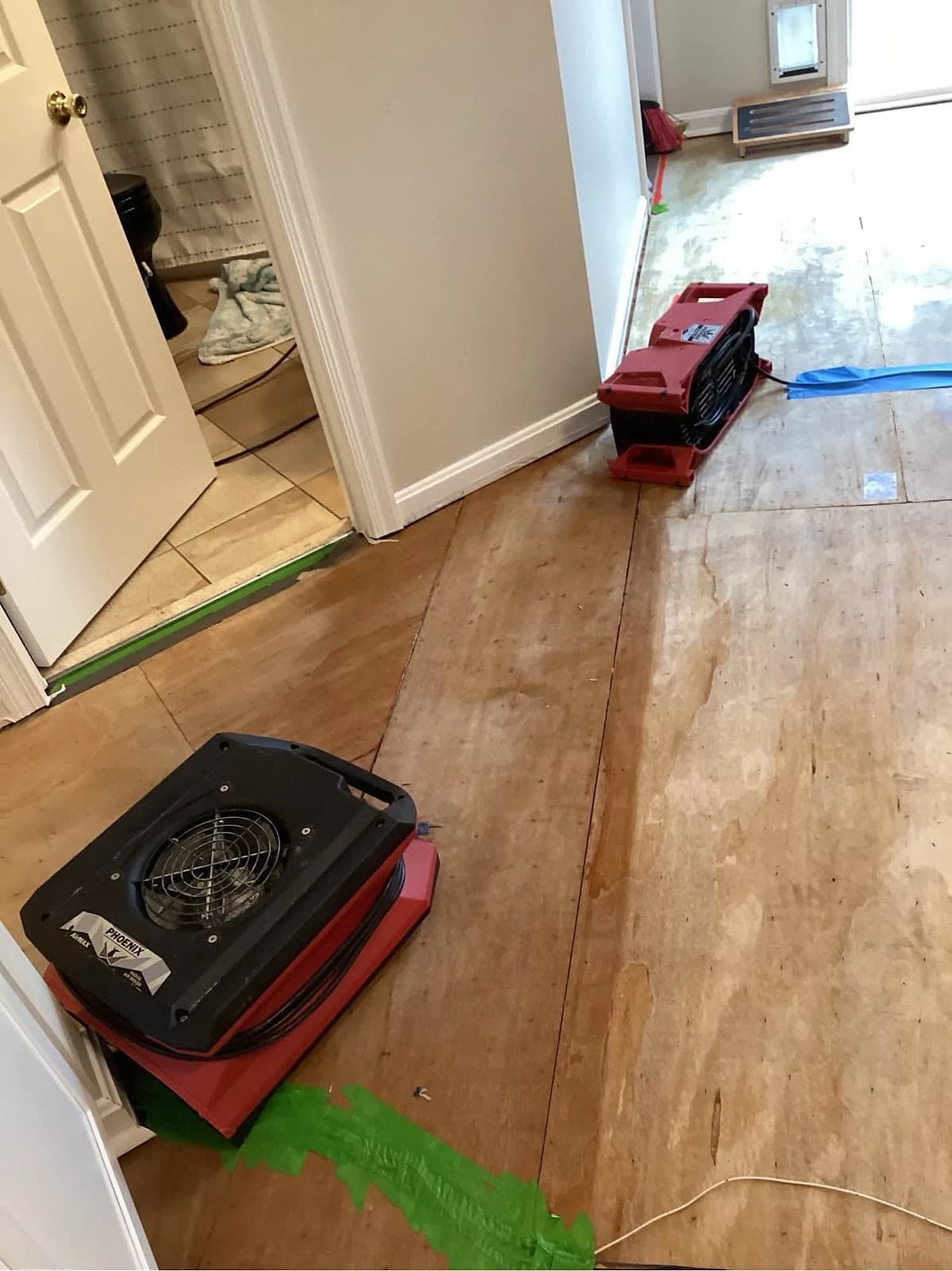
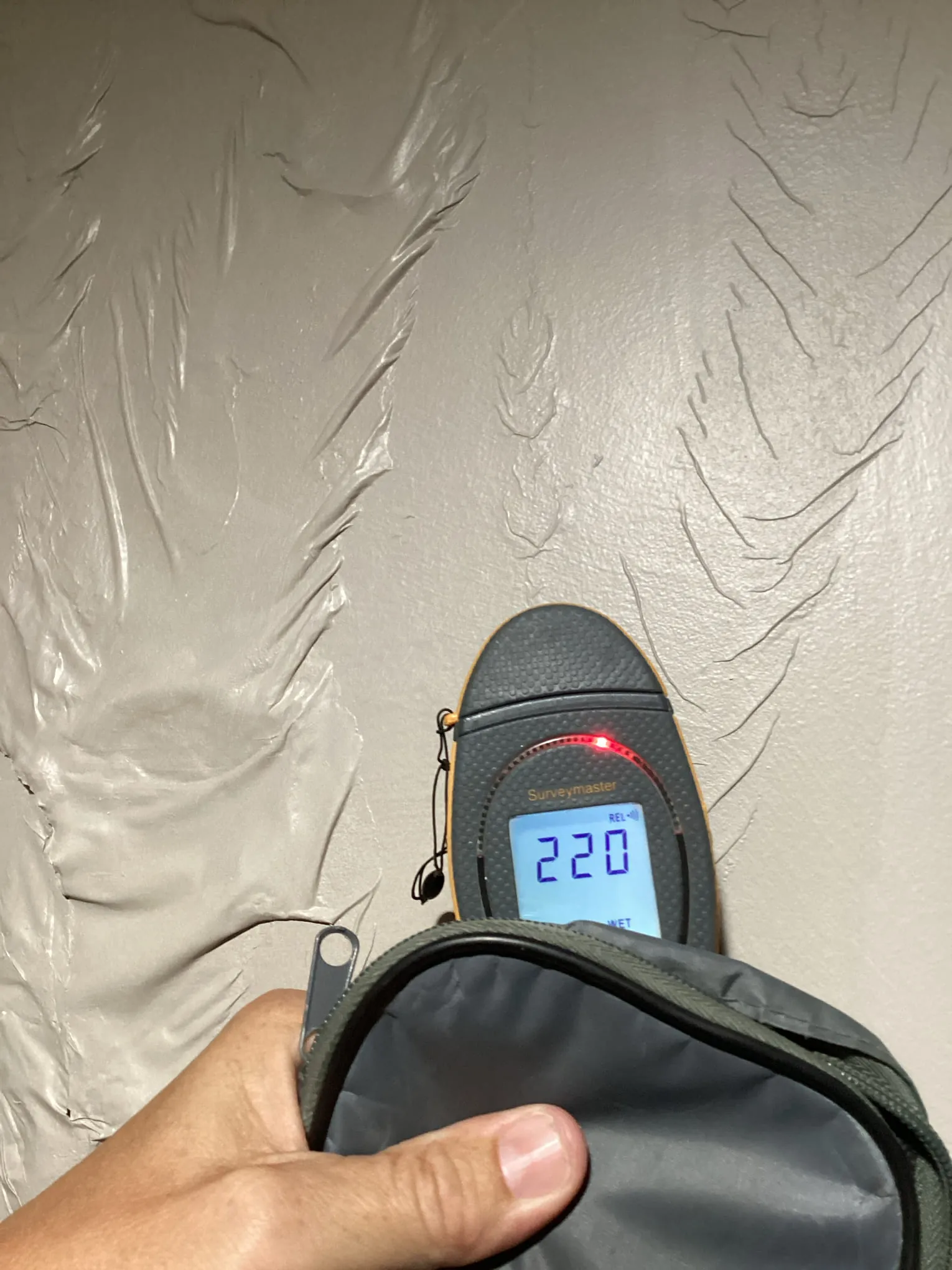
We evaluate your property with moisture meters, thermal imaging cameras, and advanced tools to assess moisture levels and locate hidden pockets of water.
Water extraction
Standing water and excess moisture come out first, preventing additional damage while expediting the drying process.
Controlled dehumidification
We meticulously manage dehumidification, lowering humidity to a suitable range because proper control is crucial in preventing secondary issues like mold growth.
Verification and documentation
Once the affected materials match unaffected materials of the same type elsewhere in the building, we record the final readings and hand over the file for your carrier.
Full project management services are available.
The All Dry standard
What you get with every drying job
Instrument-verified results
Moisture meters and thermal imaging confirm the structure is dry.
24/7 availability
Water emergencies are answered 24 hours a day.
Free inspections*
The moisture assessment and drying plan cost nothing, during business hours.
IICRC certified technicians
Trained to the industry standard for drying science.
Billed direct to insurance
We work with all insurance carriers and handle the paperwork.
Locally owned and operated
A Louisville crew that answers to Louisville customers.
The dry standard
How we verify a dry standard
Surfaces feel dry long before the structure behind them is. That gap is where most of the repeat jobs in this industry come from: the room looked finished, equipment came out, and three weeks later there is a smell and a stain. Surfaces are not a measurement; instruments are.
The standard we work to is comparative. We take readings from unaffected material of the same type elsewhere in the building to establish what normal looks like for that structure, then dry the affected material until it returns to that baseline. A basement wall in a hundred year old house has a different normal than a stud wall in a new build, and a single fixed target across both would be wrong for at least one of them.
Readings are taken daily and logged, which does two jobs. It tells us when equipment can come out rather than when the calendar suggests it, and it gives your adjuster a documented record that the structure reached a dry standard. That log is what supports the claim if anyone questions it later.
“Chuck came out for a quote on an issue at our house. He was honest, pointed us in the right direction and recommended other ways to deal with our issues. If we ever need All Drys services, they will be our go to.”
William Burridge, Google review
4.9 stars across 31 Google reviews
Why some jobs take longer
Materials dry at completely different rates
Carpet and pad give water up quickly, drywall takes longer, and hardwood, plaster and dense timber framing hold moisture for days after everything around them reads dry, and concrete slabs longer still. A three day job and a seven day job can involve exactly the same volume of water; what differs is what it soaked into.
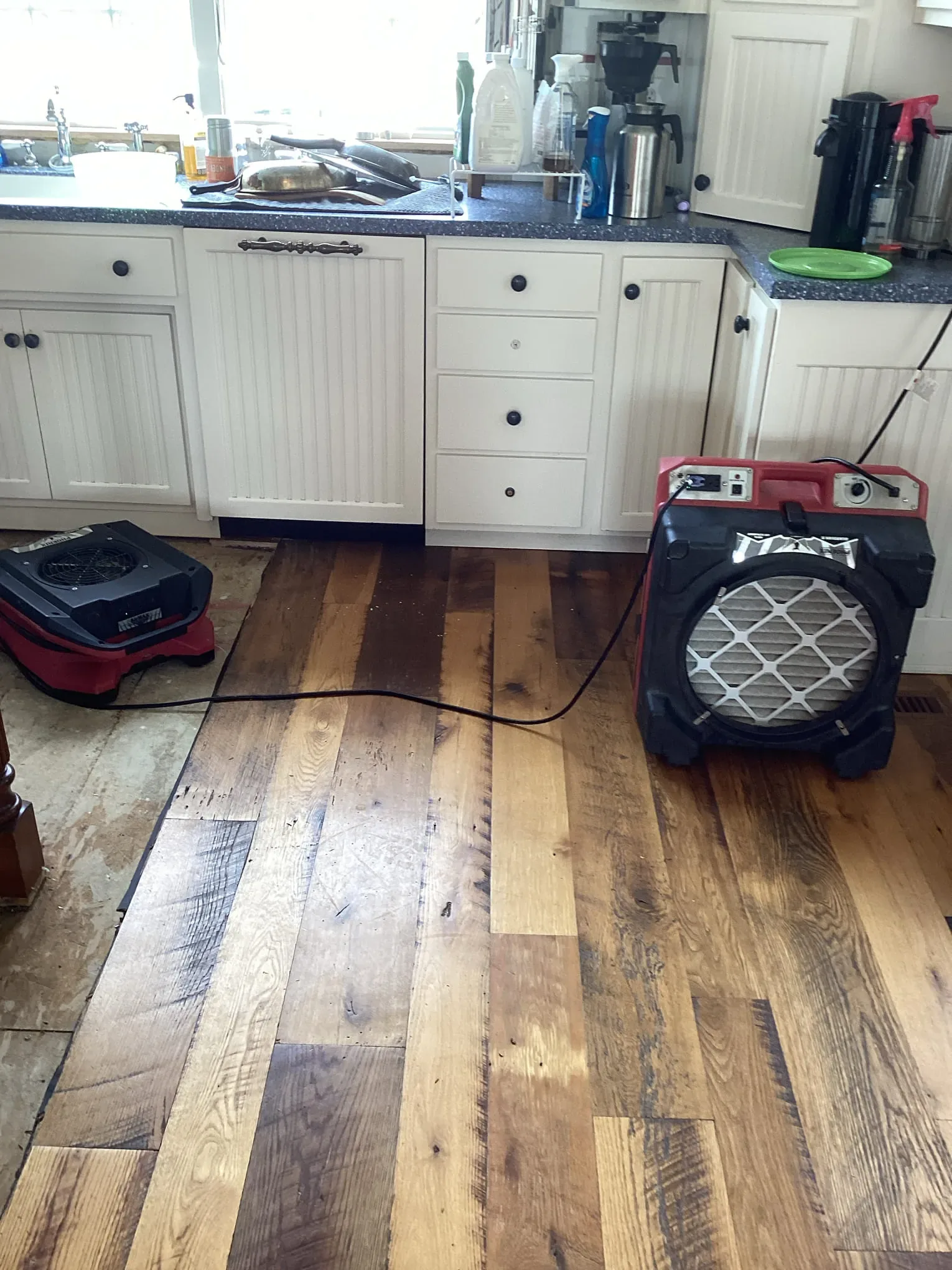
Hardwood is the one that most often decides a timeline. It cups when it takes on moisture and can crown as it dries, so it is dried slowly and deliberately under controlled airflow and dehumidification rather than force dried, with readings taken through the boards rather than off their surface. Rushing it is how a salvageable floor becomes a replaced floor.
This is also why we do not quote a fixed duration on the phone. The answer is a range, then daily readings that narrow it. If a company commits to an exact number of days before seeing the building, they are guessing.
FAQ
Questions Louisville homeowners ask us
Why can't I just run fans and open windows?
Household fans move air across surfaces, but they cannot pull moisture out of wall cavities, subfloors, and framing, and they do nothing to control humidity. Professional structural drying pairs high-capacity equipment with controlled dehumidification, meticulously managed so humidity drops to a suitable range without creating secondary problems.
How do you know when the structure is actually dry?
With instruments. Moisture meters and thermal imaging cameras assess moisture levels throughout the drying process and locate any hidden pockets of water. The job is done when the instruments say the materials are dry, not when the surface feels dry to the touch.
Does structural drying prevent mold?
Swift, thorough drying is the single best defense. Mold needs sustained moisture to grow, so removing water quickly and controlling humidity dramatically reduces the risk of mold spreading through the structure. If mold has already appeared, we also provide mold remediation.
What happens to damaged drywall and flooring?
Certain materials cannot be salvaged, so we remove only the affected areas and dry from the inside out. Mold that gets started inside a wall will eventually come through the pores of the drywall, and by then you may have a far larger issue than the one you started with. Project management services, including replacement of drywall, trim and paint, are available. Discuss this with your technician.
Why can't you just leave fans running and come back next week?
Because drying is not a fixed process you set and forget. As materials release moisture the air changes, so equipment needs repositioning and dehumidification needs adjusting, and readings tell us when. Leaving equipment unattended for a week either dries too slowly, which risks microbial growth, or force dries hardwood and causes it to crown. Daily monitoring is what keeps the drying on schedule and on the record.
Do you have to remove flooring to dry underneath it?
It depends on the material and how long the water sat. Solid hardwood can often be dried in place under controlled airflow and dehumidification with daily readings through the boards. Laminate, engineered products and anything sitting over a saturated pad or subfloor usually cannot, and Category 3 water under a floor is a removal decision rather than a drying one. We tell you which at the assessment, with the readings to show why.
What happens if it is not properly dry when equipment comes out?
You get the problem back, usually as a smell first and mold second, inside a wall cavity. That is why the readings and the log exist. Pulling equipment is a decision based on the affected materials matching unaffected material of the same type elsewhere in your building, and you get the record showing it. If a company cannot show you that, they are telling you it is dry rather than demonstrating it.
Related pages
Services that pair with structural drying
Emergency response, 24 hours a day
Emergency restoration response, 24 hours a day
One call reaches All Dry Services of Louisville, day or night, and a local person answers rather than a message service. If it is an emergency we call in an on-call technician there and then, so you are not waiting until morning to find out whether anyone is coming. If it can wait, free inspections* are scheduled during business hours. Either way your insurance is billed directly.
Answering now
(502) 829-7913Answered by local staff, not AI or an answering service.
- We aim to be there within the hour
- Free inspections and estimates*
- Billed direct to your insurer
*Free inspections and estimates are offered during business hours. Some conditions apply; call for further information. Inspections and estimates must be authorized by the property owner or management company.
- We aim to be there within the hour
- IICRC certified technicians
- BBB A+ rated, accredited since 2023
- EPA Lead-Safe certified firm
- Locally owned and operated
- 24/7 live calls
- Free inspections and estimates
- We bill your insurance directly
- Veteran discounts
- Mitigation and remediation by our own technicians
 NAT-F274909-1
 A+ rated