Published by All Dry Services of Louisville
Mold causes real property damage and real health problems, but a surprising amount of what homeowners believe about it is wrong. Those misconceptions lead to ineffective cleanup and to mold that keeps coming back. Here are seven of the most common mold myths we hear in Louisville, and what is actually true about each one.
Myth 1: All mold is toxic
Some molds produce mycotoxins that can be harmful, but not all molds are toxic, and the term "toxic mold" gets used inaccurately all the time. The practical truth: address mold growth promptly regardless of the species, because any mold can cause property damage and health issues.
Myth 2: Bleach kills mold completely
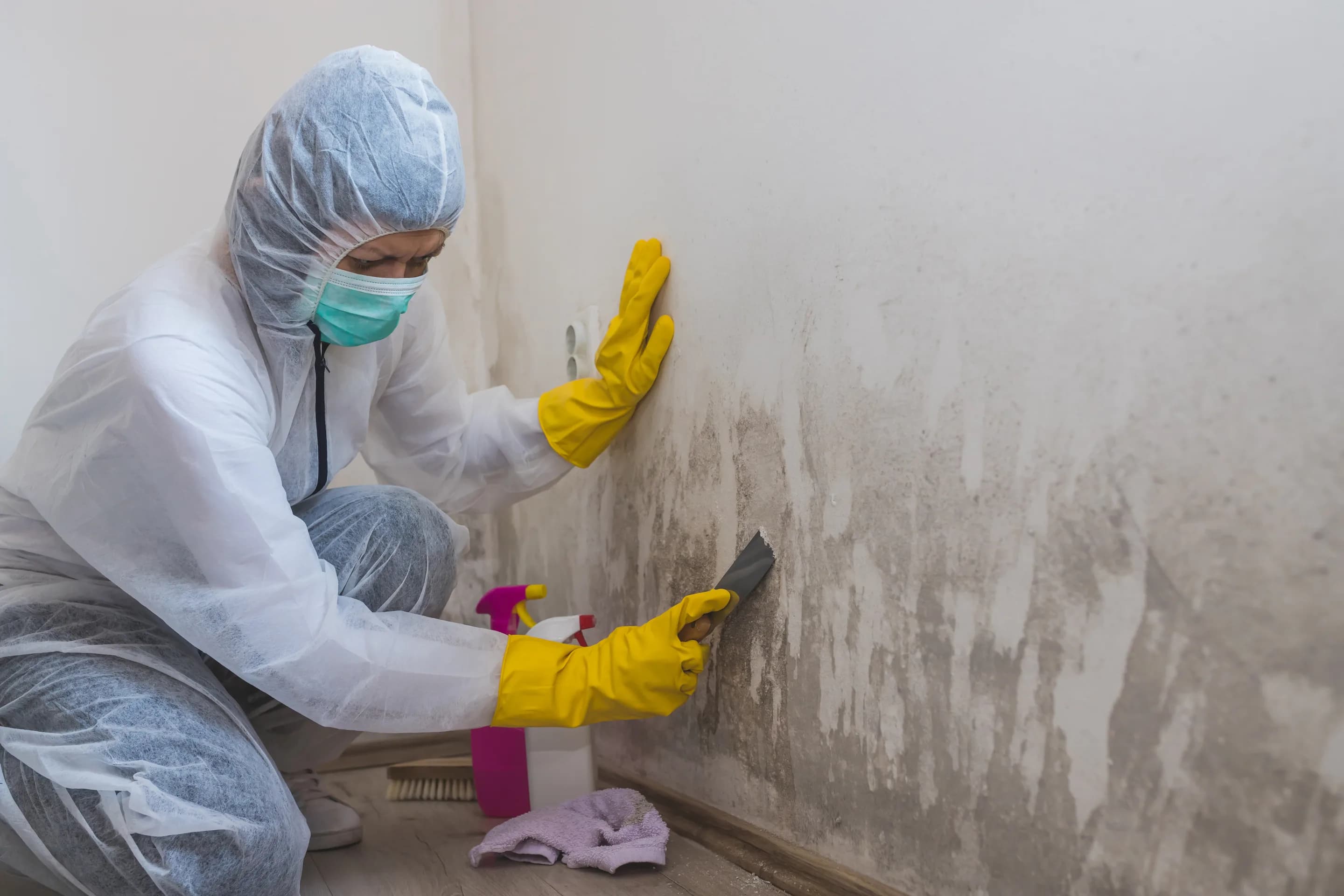
Bleach is a household disinfectant, not a remediation tool. It temporarily removes surface mold without touching the underlying problem, and it is itself highly toxic when misused. Professional remediation uses specialized products and techniques that remove the mold and keep it from coming back.
Myth 3: Mold only grows in dirty homes
Mold grows wherever conditions suit it, regardless of housekeeping. The cleanest home in Louisville will grow mold if there is excess moisture or a water intrusion. Routine cleaning reduces the risk; it cannot guarantee prevention.
Myth 4: Mold is only a problem in wet climates
Humid climates make mold's job easier, but it thrives anywhere there is enough moisture. Leaks, plumbing issues, high indoor humidity, and inadequate ventilation create mold-friendly conditions in any climate.
Myth 5: You can remove mold yourself
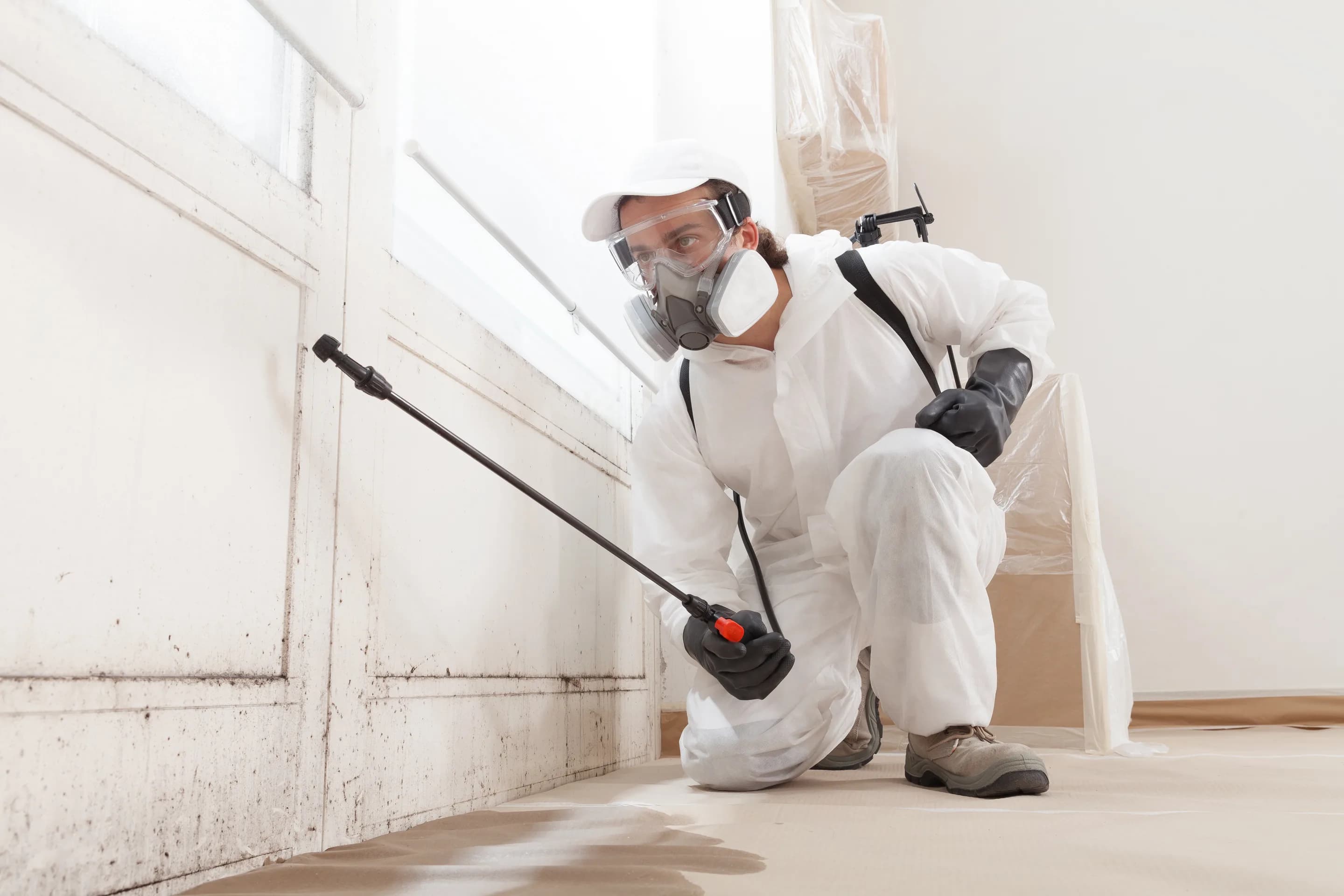
Minor problems can sometimes be handled with DIY methods, but remediation done right requires expertise, specialized equipment, and an understanding of how mold behaves. Professional remediation reduces the risk of spreading contamination during the work and makes sure the problem is actually resolved rather than relocated.
Myth 6: Mold only lives on visible surfaces
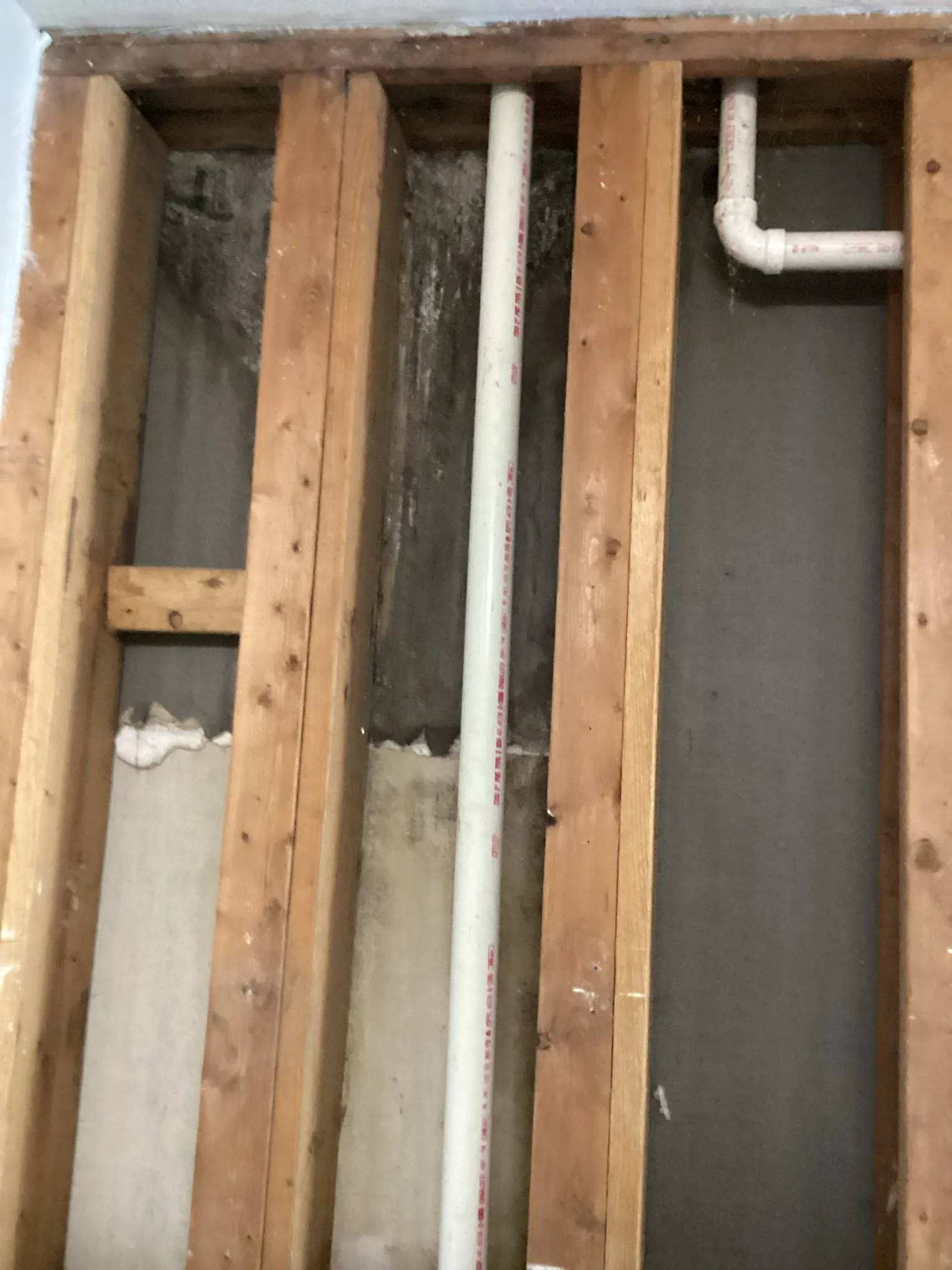
Mold thrives behind walls, under carpets, and in hidden areas that are hard to detect. Even with nothing visible, a persistent musty odor, unexplained allergic reactions, or a history of water damage can indicate hidden growth. A professional inspection with moisture meters and thermal imaging finds mold in the places eyes cannot reach.
Myth 7: Remediation is always expensive and slow
Cost and duration depend on the extent of the problem and the size of the affected area. Severe infestations take more work, which is why catching mold early saves both time and money. A scope built for your situation, not a worst-case template, keeps the project efficient.
The myth-free next step
If you suspect mold in your home, skip the folklore and get an answer. All Dry Services provides mold inspection, removal, and remediation throughout Louisville, with expert service in hours rather than days.
Myth 8: You need a test to know what you are dealing with
This one costs people real money. Where growth is already visible, the EPA's position is that sampling is generally unnecessary, and because no federal limits exist for mold or mold spores, a result cannot be measured against any legal threshold. Testing tells you a species name. It does not change the remedy.
Testing does earn its place in two situations. When mold is suspected but not visible, sampling can confirm whether there is a problem to chase. And after remediation, it can verify that an area has been returned to a normal condition, which matters in a sale or a tenancy dispute. Outside those, an inspection that finds the moisture source is the more useful purchase.
Be wary of anyone who insists on paid testing before they will quote for the work. The question that changes what you do is where the water is coming from, not what the growth is called.
What the health picture actually looks like
Since myth one is about toxicity, it is worth setting out what public health bodies actually support rather than what gets repeated online. The CDC's summary is that exposure to damp and mouldy environments may cause a variety of health effects, or none at all, and that sensitivity varies considerably between individuals.
The 2004 Institute of Medicine review found sufficient evidence linking indoor mold exposure with upper respiratory symptoms, cough and wheeze in otherwise healthy people, with asthma symptoms in people who already have asthma, and with hypersensitivity pneumonitis in susceptible individuals. Claims well beyond that list, particularly around memory, concentration and mood, are not supported by those reviews.
None of which is an argument for living with mold. The CDC is equally direct that whatever type is present, it needs removing. It is an argument for treating it as a building problem to fix rather than a health emergency to panic about.