Hazardous cleanup, handled safely
Sewage cleanup in Louisville
Sewage backups carry harmful bacteria, viruses and contaminants. Cleanup should be left to experienced remediation specialists who use protective equipment, professional-grade disinfectants and cleaning agents, and who understand proper disposal methods. Ensuring your property is restored to a safe, clean state is the expertise All Dry Services of Louisville brings to it.
Why sewage is different
Sewage backups are a health hazard
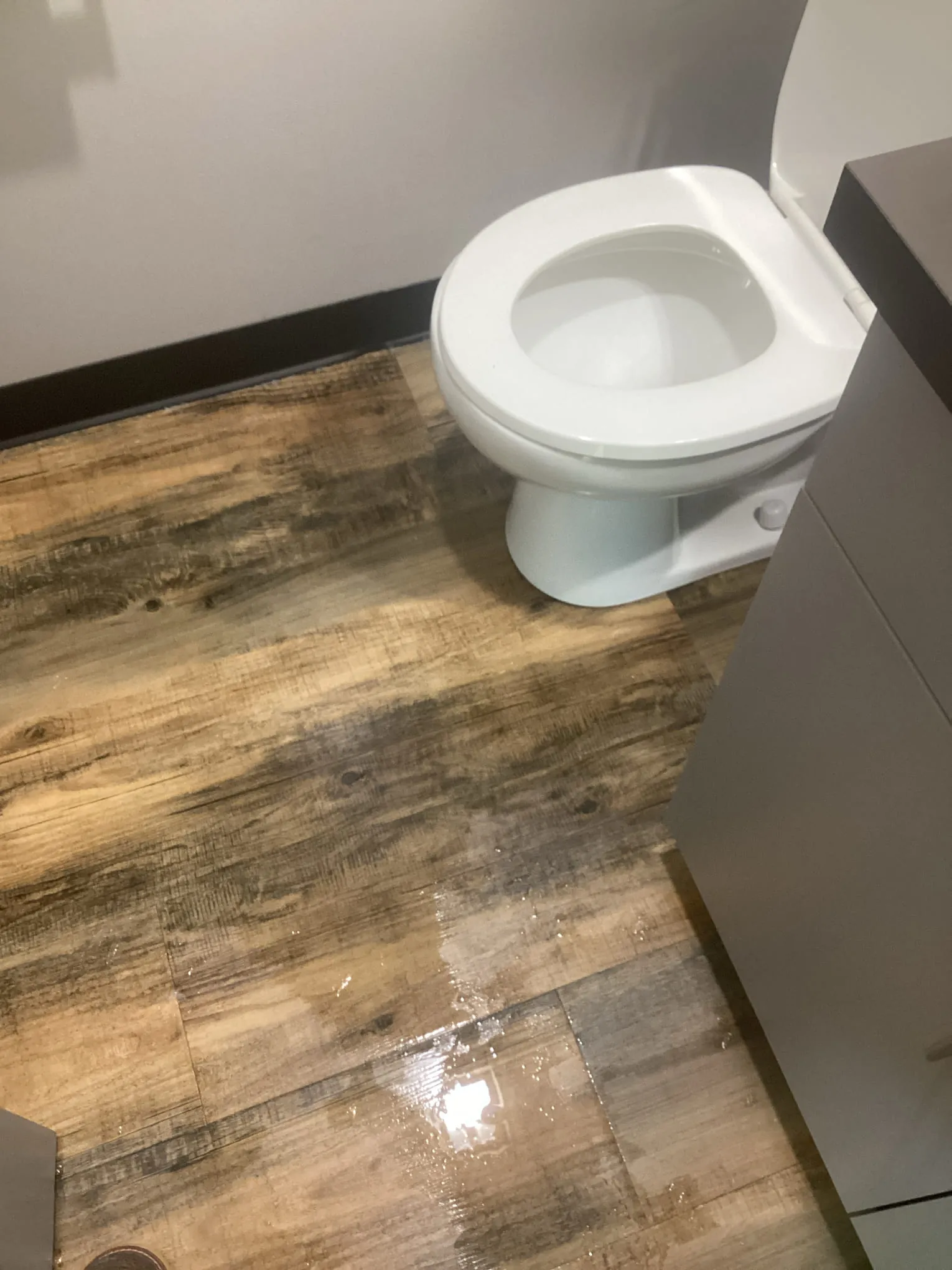
Sewage backups and spills pose significant health risks due to harmful bacteria, viruses, and other contaminants. A thorough cleanup mitigates those risks and prevents further property damage, and rushing or skipping steps leaves hazards behind.
Contaminated water
Category 3 water requires protective equipment and proper waste disposal.
Lingering odors
Sewage leaves persistent odors that need professional treatment.
Hidden moisture
What soaks into floors and walls keeps causing damage after the visible mess is gone.
Available 24/7
Sewage emergencies are answered by local staff at any hour.
Free inspections*
Assessment and estimate at no cost.
Billed direct to insurance
We handle the carrier paperwork for covered losses.
How we handle sewage cleanup
Sewage cleanup, step by step
Every sewage job All Dry Services of Louisville takes on follows the full sequence, because skipped steps leave contamination behind.
Assessment
We assess the extent of the contamination and identify safety hazards, in protective equipment and with proper ventilation from the first minute on site. The loss is documented before anything is moved.
Extraction and disposal
Pumps and extraction equipment remove the sewage and standing water. Contaminated porous material is bagged on site and disposed of by the methods that waste requires, rather than carried through the property.
Disinfection and sanitation
Professional-grade disinfectants and cleaning agents are applied to every surface that stays, including framing and subfloor once the porous material is out. This comes before drying, because a dry building that was never disinfected is not clean.
Drying and dehumidification
Commercial dehumidifiers and air movers dry what remains to a measured target, with daily readings, so the moisture left behind cannot turn into a mold problem.
Rebuild and repair
The material that had to come out is put back. Once the property is dry we coordinate that stage with our rebuild partners, and the documentation from the cleanup goes with it for your insurance carrier.
Where a smell remains after disinfection, odor treatment and air purification run alongside these steps.
Category 3 water
What can be cleaned and kept, and what has to come out
Water is graded by what is in it, and sewage is Category 3: grossly contaminated, carrying bacteria and viruses. That grading is what decides the scope of work, and it is why a sewage cleanup is a different job from a burst supply line that wet the same floor area.
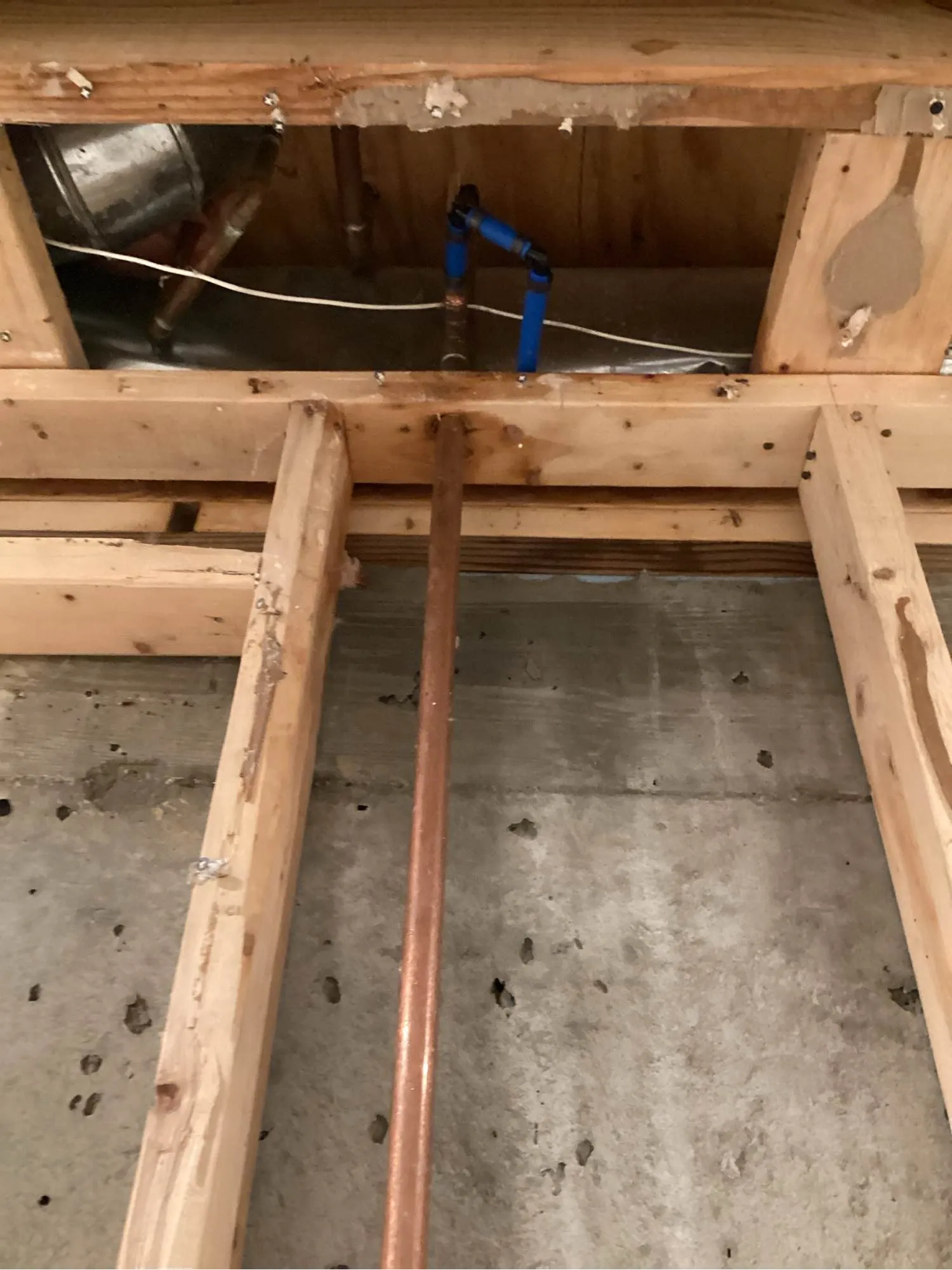
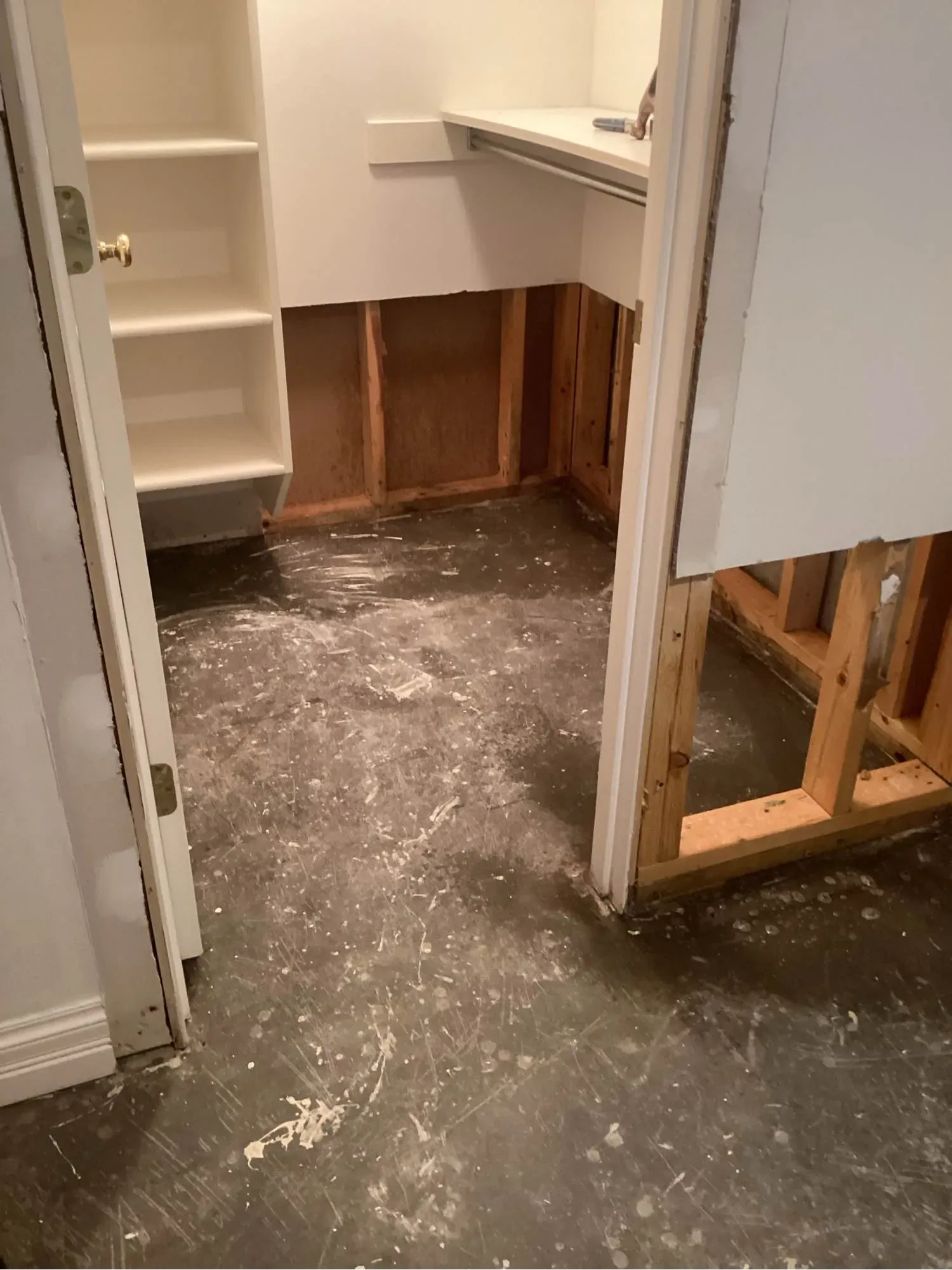
Hard, non-porous surfaces are cleaned and disinfected and stay. Sealed concrete, tile, metal, framing and subfloor can all be treated in place. Porous materials are the ones that come out: carpet, pad, insulation, particleboard and drywall absorb contaminated water into their structure, and cleaning the face of them never reaches what is inside. Nothing is removed that can be verified as decontaminated where it stands.
Drywall is the one that surprises people. It looks fine an inch above the water line, so leaving it seems reasonable. It is not: gypsum wicks moisture and contamination vertically well past the visible mark, which is why we cut above the line rather than at it.
Air purification
The air in the room is part of the cleanup
Sewage contamination does not stay on the floor. Removing wet carpet, cutting drywall and lifting pad all put particulate into the air, and that is the point at which contamination travels into rooms that were never affected.
Air scrubbers with HEPA filtration run in the work area for that reason, and negative air pressure keeps what is airborne inside the containment rather than moving through the house. The filtration stays running through disinfection and drying, not just during the removal, because the air is the last thing to clear.
It is also the difference between a room that reads as clean and a room that smells wrong a week later. A smell that returns usually means something was left behind, either in the material or in the air.
“From the moment I called them, they were incredibly responsive and empathetic to my situation. They were knowledgeable, thorough, and trustworthy.”
Alex DePriest, Google review
4.9 stars across 31 Google reviews
Before we arrive
What to do before we arrive
Keep people and pets out of the affected area and stop using water anywhere in the building, because every flush and every drain adds to what is already backing up. If the water is anywhere near electrical outlets or a consumer unit, cut power to that area at the breaker rather than walking through it to reach a switch. Do not run the HVAC: it will move contaminated air through rooms that are still clean.
The thing not to do is start cleaning it yourself. Household cleaners do not disinfect to a safe standard, mopping spreads contamination across a wider area, and doing any of it without proper protective equipment is how exposure happens. Photograph what you can safely see, because your insurer will want it, then close the door and call.
On the insurance question, ask your carrier early rather than assuming either way. Many policies require a specific backup endorsement, so it is worth checking your declarations page while we scope the work.
FAQ
Questions Louisville homeowners ask us
Is it safe to clean up a sewage backup myself?
No. Sewage carries harmful bacteria, viruses, and other contaminants that require personal protective equipment, proper ventilation, and professional-grade disinfectants to handle safely. Our team takes those precautions on every job, and proper waste disposal matters as much as the cleanup itself.
What causes sewage backups?
Backups and spills can come from blocked or damaged sewer lines, overwhelmed municipal systems during heavy rain, or plumbing failures inside the property. Whatever the cause, the response is the same: keep people and pets away from the affected area and call for professional cleanup immediately.
Will the smell go away?
Yes, once the source is gone. A sewage smell is contamination that is still present, so it clears when the affected porous material is removed, the surfaces that stay are disinfected, and the air in the work area is filtered rather than moved around. Where a smell outlasts all of that we treat it as its own job, and odor removal is a service in its own right.
Does insurance cover sewage cleanup?
Coverage depends on your policy and the cause of the backup; some policies require a specific sewer backup endorsement. We bill carriers directly, document the damage thoroughly, and handle the paperwork so you can focus on your home.
How much of my basement will you have to remove?
Less than people fear, but more than the water line suggests. Hard, non-porous surfaces clean and disinfect, so tile, sealed concrete and metal stay. Porous materials that absorbed contaminated water come out: carpet and pad, insulation, particleboard, and drywall cut above the visible line because gypsum wicks moisture and contamination upward. We mark out the scope at the free inspection so you know before we start rather than discovering it midway.
Can I stay in the house during sewage cleanup?
Usually yes, if the affected area can be sealed off and you still have a working bathroom. The work zone is contained and put under negative pressure so air moves into it rather than out, and the HVAC stays off so nothing travels through ductwork. It becomes a real question if the backup has affected the only bathroom or reached a kitchen, and we will tell you straight rather than let you find out.
How quickly do you need to get there?
As fast as we can, and faster than for clean water. Contamination spreads while it sits, it moves into porous materials that then have to be removed rather than dried, and the affected area grows with every hour. We answer live around the clock and aim to be there within the hour, and on a sewage call that speed is doing more work than it does on a burst supply line.
Related pages
Often needed alongside sewage cleanup
Emergency response, 24 hours a day
Emergency restoration response, 24 hours a day
One call reaches All Dry Services of Louisville, day or night, and a local person answers rather than a message service. If it is an emergency we call in an on-call technician there and then, so you are not waiting until morning to find out whether anyone is coming. If it can wait, free inspections* are scheduled during business hours. Either way your insurance is billed directly.
Answering now
(502) 829-7913Answered by local staff, not AI or an answering service.
- We aim to be there within the hour
- Free inspections and estimates*
- Billed direct to your insurer
*Free inspections and estimates are offered during business hours. Some conditions apply; call for further information. Inspections and estimates must be authorized by the property owner or management company.
- We aim to be there within the hour
- IICRC certified technicians
- BBB A+ rated, accredited since 2023
- EPA Lead-Safe certified firm
- Locally owned and operated
- 24/7 live calls
- Free inspections and estimates
- We bill your insurance directly
- Veteran discounts
- Mitigation and remediation by our own technicians
 NAT-F274909-1
 A+ rated