Fire, smoke, soot and firefighting water
Fire and smoke damage restoration across Louisville neighborhoods
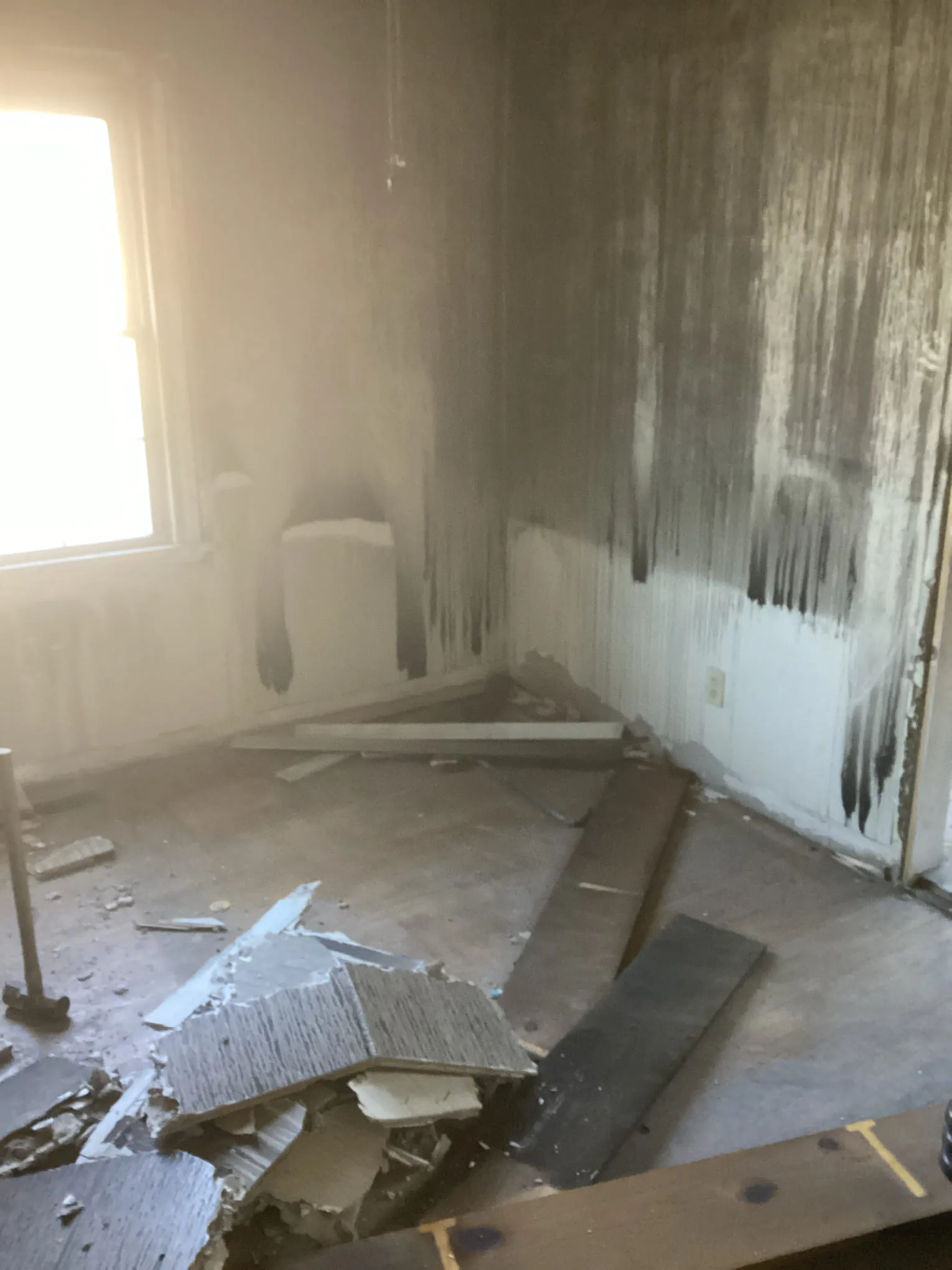
The flames may be out, but the damage keeps developing. Smoke residue settles onto surfaces, acidic soot discolors materials, odors move through rooms and ventilation systems, and the water used to fight the fire soaks floors, walls, and ceilings. All Dry Services of Louisville addresses every layer of the loss.
Fire recovery across the city
Three kinds of damage at once
A fire loss is rarely one problem. There is the fire damage, the water used to extinguish it, and smoke and soot that travelled well beyond either. Treating those as one job is how properties get released still smelling of the fire.
The water comes first, because suppression water left in a structure grows mold within days. Extraction and drying start before soot cleaning, and the moisture readings continue while the rest of the work happens around them.
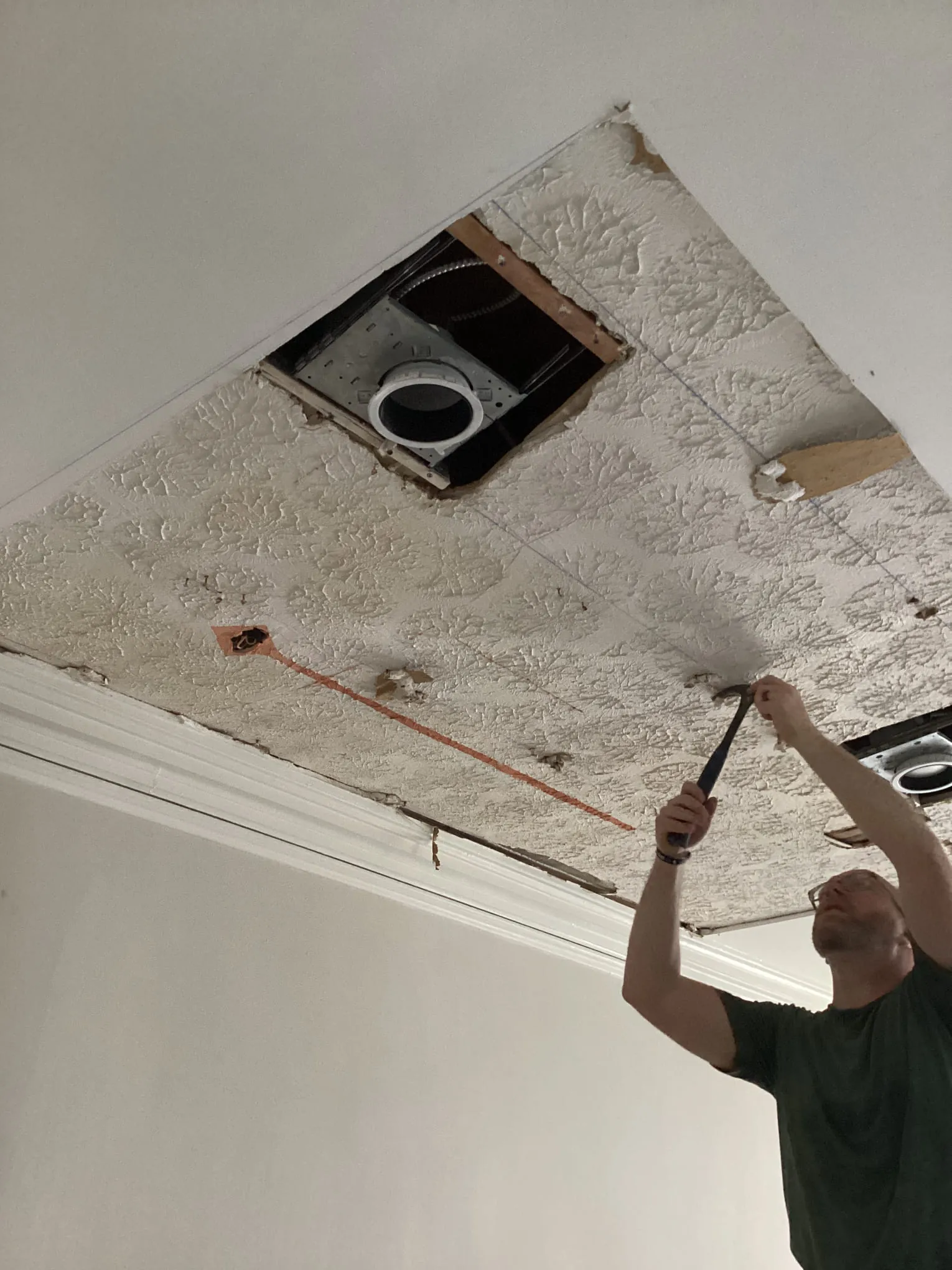
Plaster and drywall hold smoke and moisture differently, so how we clean and dry is decided after the assessment rather than assumed on the way in.
The neighborhoods we work in most
Smoke damage in older buildings
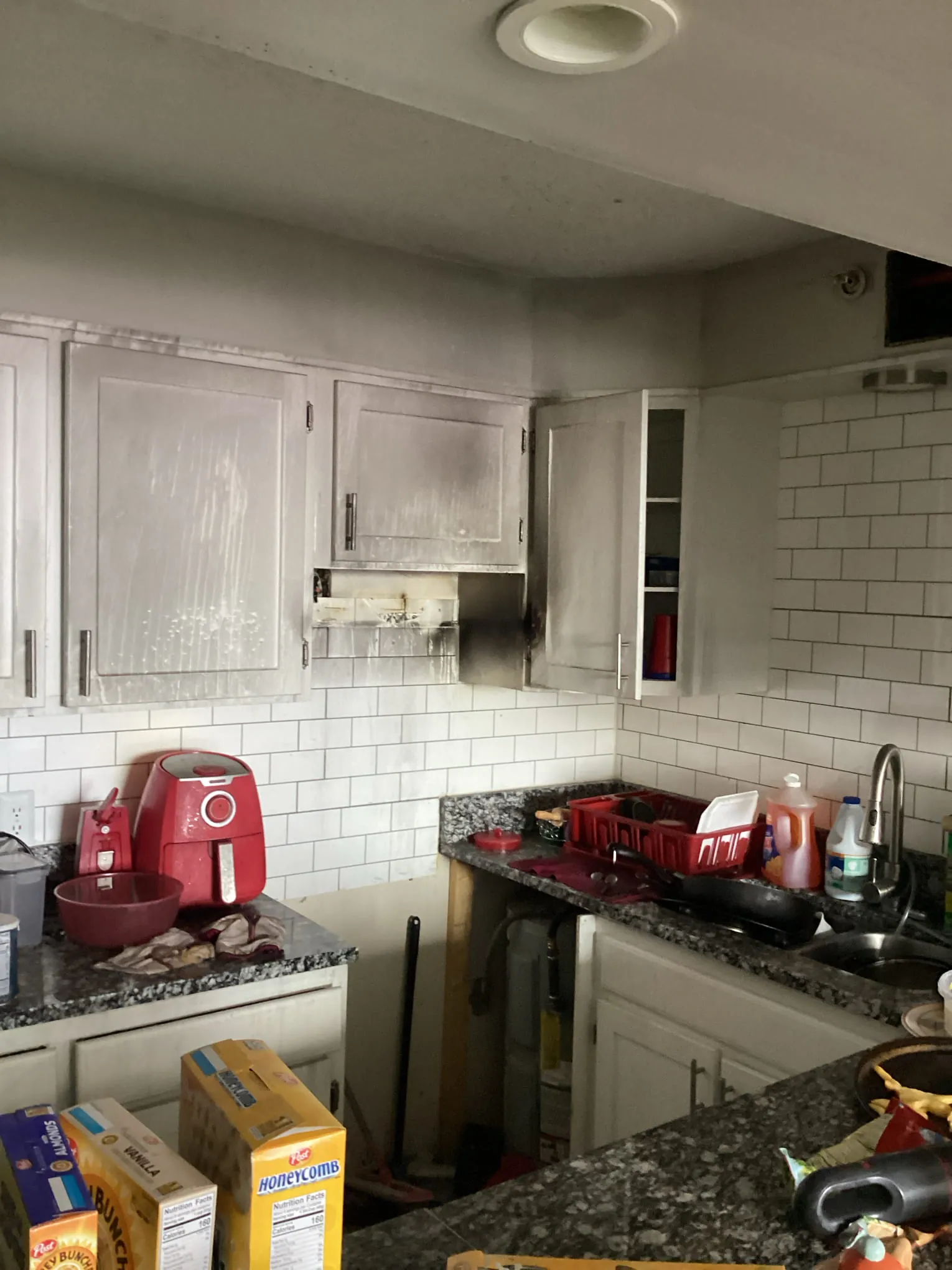
A fire is often contained to one room while the smoke is not. Soot reaches rooms on another floor that look untouched, and scoping the loss to the burned room alone is the most common way a claim comes up short. All Dry Services of Louisville documents where the smoke actually travelled.
NuLu's converted warehouses and mixed-use buildings raise a different issue: shared systems. Smoke that starts in one unit or one kitchen can move into neighbouring spaces, which turns a single fire into several conversations with several parties.
Either way the work is the same in principle. We document where the residue actually travelled rather than where the flames were, because that record is what supports the real scope.
The full picture
Fire damage is more than burned materials
The room where the fire began may hold charred materials while surrounding rooms are hit mainly by smoke, soot, or odor. A complete inspection maps how the conditions overlap.
Flame and heat damage
Charred structure and heat-warped materials.
Dry and oily soot deposits
Each residue type demands a different cleaning method.
Smoke residue
On walls, ceilings, and the contents of rooms the fire never touched.
Firefighting water
Hose and sprinkler water that now needs extraction and drying.
Openings in the structure
Compromised roofs, windows, and exterior walls that need board-up.
Absorbed odors
Porous materials holding smoke smell long after cleanup.
Safety first, then stabilization
The first steps after a Louisville property fire
Do not enter the property until the fire department or appropriate authority confirms entry is permitted. Even after the visible fire is out, weakened ceilings, damaged wiring, hot spots, contaminated water, and unstable materials can remain.
Once access is allowed, our response begins with emergency stabilization: board-up and weather protection for damaged doors, windows, and roofs, documentation of every affected room and surface, extraction of firefighting water, and identification of unsafe or non-salvageable materials.
The cleaning strategy comes last for a reason. Different soot residues require different methods, and the wrong product or technique can spread residue or set stains more deeply. We match the method to the residue before anyone starts scrubbing.
“From the moment I called them, they were incredibly responsive and empathetic to my situation. They were knowledgeable, thorough, and trustworthy.”
Alex DePriest, Google review
4.9 stars across 31 Google reviews
Beyond the room where the fire started
Smoke can travel far beyond the fire
Smoke follows air movement into closets, cabinets, wall cavities, adjoining rooms, stairwells, and HVAC components, even when those areas were never touched by flames. Wiping down the room where the fire began is rarely enough.
Our technicians evaluate the broader smoke pathway and decide which surfaces and materials need attention. Depending on conditions, treatment includes surface cleaning, HEPA-filtered air management, detailed cleaning of affected contents, and professional deodorization. Odor control works when the residue causing the odor has first been located and removed.
More help in Louisville
Water, fire and mold restoration in Louisville
Nearby communities
Fire Damage Restoration in neighboring areas
Emergency response, 24 hours a day
Emergency restoration response, 24 hours a day
One call reaches All Dry Services of Louisville, day or night, and a local person answers rather than a message service. If it is an emergency we call in an on-call technician there and then, so you are not waiting until morning to find out whether anyone is coming. If it can wait, free inspections* are scheduled during business hours. Either way your insurance is billed directly.
Answering now
(502) 829-7913Answered by local staff, not AI or an answering service.
- We aim to be there within the hour
- Free inspections and estimates*
- Billed direct to your insurer
*Free inspections and estimates are offered during business hours. Some conditions apply; call for further information. Inspections and estimates must be authorized by the property owner or management company.
- We aim to be there within the hour
- IICRC certified technicians
- BBB A+ rated, accredited since 2023
- EPA Lead-Safe certified firm
- Locally owned and operated
- 24/7 live calls
- Free inspections and estimates
- We bill your insurance directly
- Veteran discounts
- Mitigation and remediation by our own technicians
 NAT-F274909-1
 A+ rated